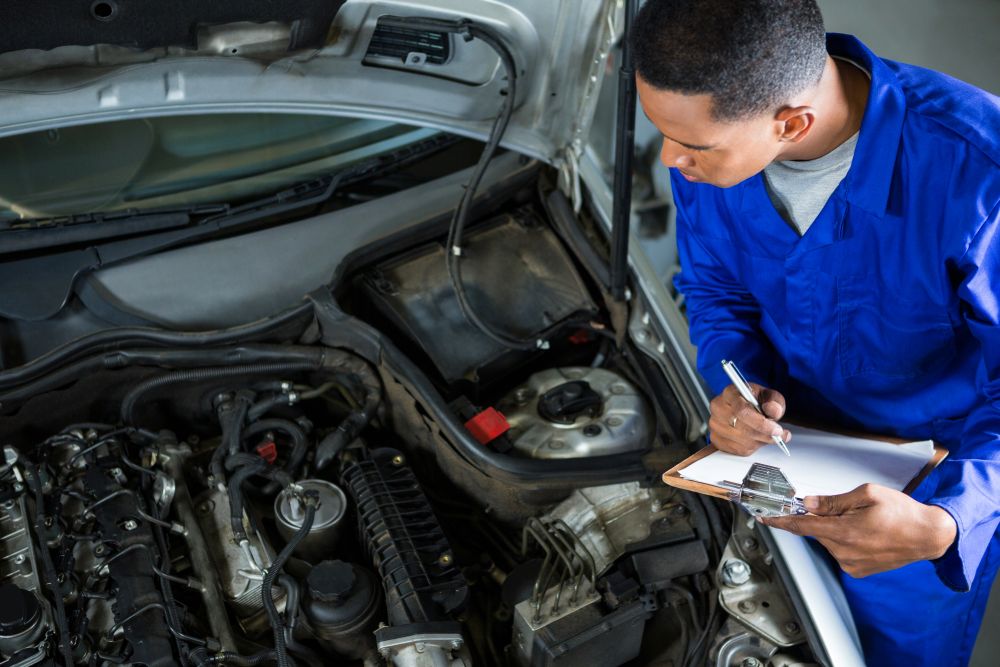

Most drivers hear the word overhaul and assume it means the same thing as a full replacement, but the two are quite different in scope, cost, and what actually happens to the engine. An engine overhaul rebuilds the existing engine using its original block wherever possible, replacing only the worn internal components, which makes it a considerably more involved decision than simply swapping in a brand new unit, and one worth understanding properly before committing to the cost and downtime involved.
What an Overhaul Actually Involves
A full overhaul strips the engine down to its block, inspects every internal component for wear against manufacturer tolerances, and replaces anything outside acceptable limits, typically including piston rings, bearings, gaskets, and seals. The block itself is measured, cleaned, and sometimes bored slightly oversized if cylinder walls show wear, after which the engine is reassembled with new or reconditioned parts throughout. Every measurement is checked against factory specification before reassembly begins, which is what distinguishes a proper overhaul from a quick patch-up job.
Signs an Engine Genuinely Needs an Overhaul
Persistent blue smoke from burning oil, noticeably low compression across multiple cylinders, or metal particles found in the oil during a change are all signs that wear has progressed beyond what a smaller repair can address. A single failed component rarely justifies a full overhaul on its own, but when several systems show wear simultaneously, rebuilding the whole engine at once is often more cost-effective than repeated smaller repairs spread out over successive visits.
Overhaul Versus Replacement: Weighing the Options
A replacement swaps in a new or reconditioned engine entirely, which is faster but loses the specific wear history and prior modifications of the original unit. An overhaul takes longer but retains the original block, which matters for older or less common models where a direct replacement engine is difficult to source. Cost differences vary by model, so it is worth pricing both before deciding, particularly for vehicles where sourcing a compatible replacement unit locally is not straightforward.
What a Pre-Overhaul Inspection Should Cover
Before committing to an overhaul, a proper inspection checks compression across all cylinders, oil pressure, and the condition of the cylinder head for warping or cracks, since a damaged head changes the scope and cost of the job considerably. Skipping this step risks discovering a bigger problem mid-teardown, after the engine is already disassembled and harder to price accurately, which is a situation worth avoiding wherever the initial inspection can catch it instead.
How Long the Process Typically Takes
A full overhaul commonly takes one to two full weeks depending on parts availability and the extent of machining required on the block, considerably longer than a standard repair. Workshops offering an engine rebuild and reconditioning service in a shorter window than this are worth questioning, since rushing the machining or curing stages tends to shorten the rebuilt engine’s lifespan considerably.
What Parts Get Replaced as Standard
Piston rings, main and rod bearings, all gaskets, and oil and water seals are typically replaced as standard practice regardless of their individual condition, since reassembling with old versions of these wear items risks a repeat failure shortly after the work is finished. Timing components are also usually renewed given how much labour would be needed to access them again later, making it far more sensible to replace them proactively during the same teardown.
Questions to Ask About Warranty Coverage
Ask what specific duration and mileage the warranty covers, whether it applies to the whole engine or only the parts replaced, and what would void it, such as using the wrong oil grade afterwards. A workshop confident in the quality of its rebuild will offer meaningful warranty terms in writing rather than a vague verbal assurance that is difficult to enforce later if a problem does arise.
Running In a Rebuilt Engine Properly
A rebuilt engine typically needs a break-in period of several hundred kilometres with varied but moderate engine speeds, avoiding both prolonged idling and sustained high revs while new components bed in properly. Following this guidance closely affects how well piston rings seat against the cylinder walls, which in turn affects oil consumption and overall performance for the remaining life of the rebuild.
Cost Factors That Affect the Final Price
Cylinder head condition, whether the block needs boring, and the availability of parts for less common models all influence the final cost significantly beyond the base labour estimate. A quote given before the engine is opened up should be treated as an estimate rather than a fixed price, with any changes explained and agreed before additional work proceeds rather than appearing unexpectedly on the final invoice.
Deciding Whether an Overhaul Is the Right Call
For a car otherwise in good condition with sentimental or practical value worth preserving, an overhaul often makes considerably more financial sense than buying a replacement vehicle outright. A thorough engine overhaul carried out properly by an experienced team can extend an engine’s working life by many years, making the upfront cost a reasonable investment rather than an unnecessary expense.