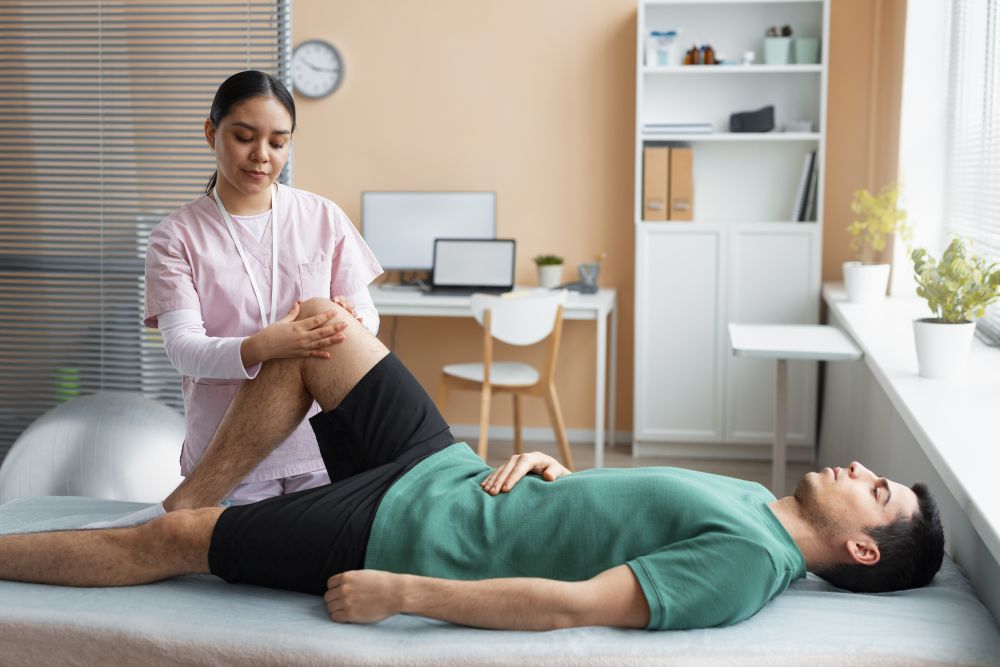

When I first encountered rehabilitation-focused chiropractic care during research into Singapore’s complementary healthcare landscape, I expected to find practitioners performing spinal adjustments and sending patients on their way. What I discovered instead was a more complex model: clinics equipped with exercise equipment, practitioners demonstrating movement patterns, patients performing supervised exercises alongside receiving manual therapy. This represented a significant evolution from the traditional chiropractic model that centred almost exclusively on spinal manipulation, reflecting a growing recognition that lasting improvement requires more than passive treatment.
The Paradigm Shift
The traditional chiropractic model operated on a relatively simple premise: misaligned vertebrae caused dysfunction, adjustments corrected misalignment, correction restored health. Patients received manipulation and little else. This passive treatment model produced mixed results. Some patients experienced lasting relief. Others found their symptoms returned within days or weeks, requiring endless repeated adjustments.
Chiropractic rehabilitation therapy emerged from this limitation. Practitioners began recognising that spinal adjustments created a therapeutic window, a temporary period of improved alignment and reduced pain, but without concurrent strengthening of supporting muscles and correction of movement patterns, the underlying biomechanical problems persisted.
Dr Michael Tan, practising in Singapore for 18 years, describes his transition to a rehabilitation model: “Early in my career, I adjusted patients, they felt better temporarily, then returned with the same problems. I was treating symptoms, not causes. When I began incorporating exercise prescription and movement education, outcomes improved dramatically. Patients required fewer total visits and maintained results longer.”
The Components of Rehabilitation Care
Modern rehabilitation-focused chiropractic care integrates multiple elements beyond spinal manipulation:
Manual therapy
Adjustments remain central but serve as foundation rather than sole intervention. Practitioners use manipulation to restore joint mobility and reduce pain, creating conditions for effective rehabilitation.
Therapeutic exercise
Specific exercises target weak or inhibited muscles. A patient with chronic lower back pain might perform core stabilisation exercises. Someone with neck pain receives exercises strengthening deep cervical flexors.
Movement pattern correction
Many musculoskeletal problems stem from dysfunctional movement. Rehabilitation addresses how patients bend, lift, sit, and perform daily activities.
Neuromuscular re-education
Training the nervous system to activate muscles properly and coordinate movement efficiently.
Progressive loading
Gradually increasing exercise difficulty as function improves, building resilience against future injury.
The Evidence Base
Research supporting active rehabilitation in chiropractic care has grown substantially. A 2019 systematic review published in the Journal of Manipulative and Physiological Therapeutics examined outcomes for patients receiving manipulation plus exercise compared to manipulation alone. The combined approach produced superior results across multiple outcome measures: greater pain reduction, improved function, and lower recurrence rates.
Studies on chronic lower back pain consistently demonstrate that multimodal care incorporating exercise produces better long-term outcomes than passive treatments alone. A 2020 randomised controlled trial found that patients receiving chiropractic care plus supervised rehabilitation exercises showed 40 percent greater functional improvement at six-month follow-up compared to those receiving adjustments only.
Dr Sarah Lim, who completed additional certification in rehabilitation, explains the mechanism: “Adjustments provide immediate relief by addressing joint restrictions and reducing muscle guarding. Exercise builds the strength and motor control needed to maintain proper alignment. Together, they address both the acute problem and the underlying dysfunction.”
Practical Applications
The implementation of movement-based chiropractic rehabilitation varies by condition and patient presentation:
Post-injury recovery
Athletes recovering from sports injuries receive progressive rehabilitation protocols. Treatment might begin with gentle range of motion exercises, advance to strengthening work, and culminate in sport-specific functional training.
Chronic pain management
Patients with long-standing pain often demonstrate significant muscle weakness and altered movement patterns. Rehabilitation addresses these secondary adaptations that perpetuate pain even after initial injury heals.
Post-surgical care
Following spinal surgery, some patients work with chiropractors for conservative rehabilitation, focusing on restoring function and preventing future problems.
Workplace injury prevention
Ergonomic assessment combined with targeted strengthening helps office workers and manual labourers reduce injury risk.
Treatment Protocols and Timeline
A typical functional restoration through chiropractic care programme unfolds over 8 to 12 weeks:
Phase 1 (weeks 1-3)
Pain reduction through manual therapy, gentle movement, and patient education. Exercises focus on basic range of motion and gentle activation of inhibited muscles.
Phase 2 (weeks 4-6)
Progressive strengthening and movement pattern correction. Exercise difficulty increases as pain decreases and function improves.
Phase 3 (weeks 7-12)
Functional training and return to full activity. Exercises become more challenging and specific to patient’s daily demands or sport requirements.
Sessions typically occur twice weekly initially, tapering to weekly and then monthly as patients progress. Each session includes manual therapy followed by supervised exercise, with home exercise programmes prescribed for between-session work.
Integration with Other Disciplines
The most effective rehabilitative chiropractic services operate collaboratively with other healthcare providers. Coordination with physiotherapists, sports medicine physicians, and orthopaedic surgeons creates comprehensive care pathways.
James Wong, a physiotherapist who works closely with several chiropractors, describes the collaboration: “We complement each other’s skills. Chiropractors often excel at spinal manipulation and joint mobilisation. Physiotherapists bring different exercise approaches and modalities. When we coordinate care rather than competing, patients benefit from combined expertise.”
Patient Responsibilities
Success in rehabilitation-focused care demands active patient participation. Unlike passive treatments where patients simply receive interventions, rehabilitation requires consistent exercise compliance, attention to movement patterns, and patience through progressive improvement.
The evolution toward rehabilitation-focused chiropractic care represents maturation of the profession, moving from dependence on passive manipulation toward comprehensive treatment addressing both symptoms and underlying dysfunction, creating lasting improvements in recovery and mobility.