
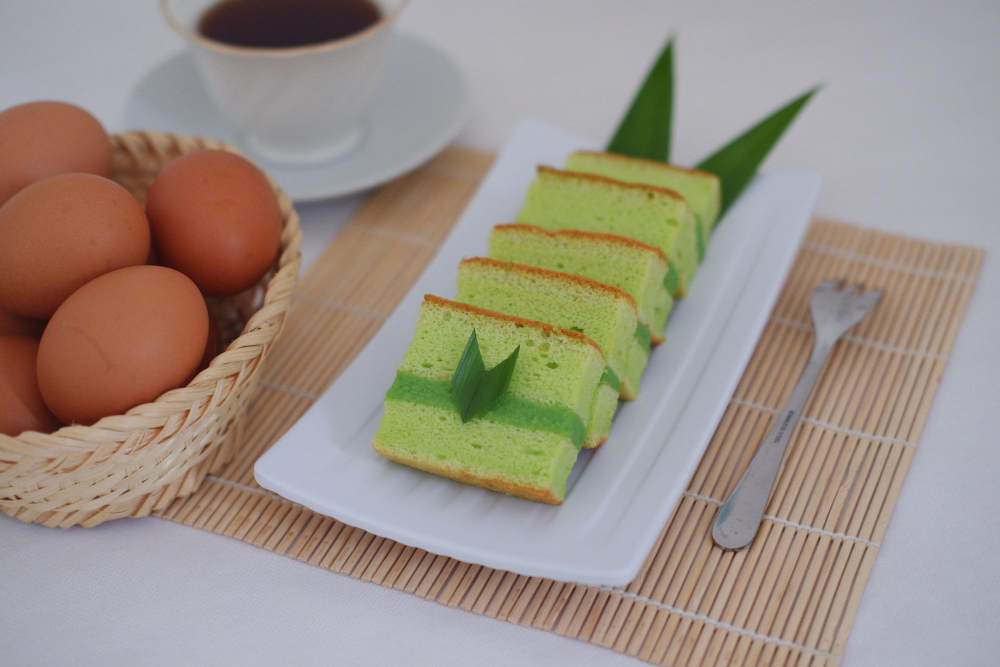
Ondeh ondeh cake represents a modern interpretation of the beloved Southeast Asian dessert, transforming the traditional glutinous rice balls into an elegant layered cake. The original ondeh ondeh consists of pandan-flavored rice flour balls filled with liquid gula melaka (palm sugar) and rolled in freshly grated coconut. This cake version captures all those distinctive flavors in a sophisticated format perfect for celebrations and special occasions.
The cake celebrates the harmonious blend of pandan’s fragrant, vanilla-like aroma with the deep caramel sweetness of gula melaka and the tropical richness of coconut. These flavors define Southeast Asian dessert traditions, particularly in Malaysia, Singapore, and Indonesia. Understanding these flavor profiles helps bakers appreciate the careful balance required to create an authentic-tasting cake.
Success depends on achieving the right intensity of pandan flavor without overwhelming bitterness, creating proper gula melaka consistency for filling, and incorporating coconut elements that complement rather than compete with the other components. The cake should evoke memories of the traditional dessert while offering the refined presentation expected from contemporary cake artistry.
Essential Ingredients and Flavor Components
Creating authentic ondeh ondeh cake by My Bake Studio requires specific ingredients that may not be available in standard supermarkets. Fresh pandan leaves provide the most authentic flavor and natural green coloring, though pandan extract serves as an acceptable substitute. Gula melaka, also called palm sugar, offers the characteristic caramel-like sweetness that defines the dessert. If unavailable, dark brown sugar mixed with a small amount of molasses can approximate the flavor.
Fresh coconut milk adds richness to the cake layers, while desiccated coconut provides texture and authentic flavor in fillings and garnishes. Glutinous rice flour helps create the proper texture reminiscent of traditional ondeh ondeh, though regular cake flour forms the primary structure. Coconut oil can replace some butter for enhanced coconut flavor throughout the cake.
Quality eggs, unsalted butter, and fine sugar create the cake’s foundation, while vanilla extract complements the pandan without overwhelming it. Baking powder and baking soda provide proper leavening, and salt enhances all the other flavors. Consider having coconut flakes for garnishing and small tapioca pearls to simulate the traditional ondeh ondeh appearance.
Preparing Fresh Pandan Extract
Creating pandan extract from fresh leaves produces superior flavor compared to bottled versions. Chop 30-40 pandan leaves into chunks and blend with boiling water until fine, then strain through a sieve and squeeze out as much juice as possible. This process extracts both the vibrant green color and the distinctive nutty, vanilla-like fragrance that makes pandan so beloved.
Allow the pandan juice to settle for several hours, then carefully pour off the clear liquid, leaving behind the concentrated green sediment. This sediment contains the most intense color and flavor. Store the extract in the refrigerator for up to three days, though it’s best used within 24 hours for maximum potency.
The amount of pandan extract needed varies depending on desired intensity and leaf quality. Start with smaller quantities and adjust upward, as too much pandan can create a bitter, grassy flavor that overwhelms the cake’s delicate balance. The goal is achieving a pleasant fragrance and natural green tint without harsh overtones.
Making Gula Melaka Filling and Syrup
Traditional gula melaka provides the liquid center surprise in original ondeh ondeh, and this element translates beautifully into cake applications. Melt gula melaka with a small amount of water over low heat, stirring until smooth and syrupy. The consistency should be thick enough to hold its shape when cooled but fluid enough to create bursts of flavor when bitten.
For cake applications, create both a syrup for brushing layers and a thicker version for filling. The syrup version should be thin enough to soak into cake layers without making them soggy. The filling version needs more body to prevent running during assembly while maintaining the characteristic liquid center effect.
Strain the melted gula melaka to remove any undissolved particles that could create texture issues. If gula melaka is unavailable, create a substitute by combining dark brown sugar, a tablespoon of molasses, and coconut milk, cooking until the mixture reaches the proper consistency and develops deep caramel notes.
Creating the Pandan Sponge Layers
The cake base requires careful balance to achieve proper pandan flavor while maintaining light, airy texture. Cream butter and sugar until light and fluffy, then alternate adding eggs and pandan extract. The mixture may appear slightly curdled due to the pandan juice, but this resolves when flour is incorporated.
Sift together flour, baking powder, and a small amount of glutinous rice flour for authentic texture. Fold dry ingredients into the wet mixture alternately with coconut milk, beginning and ending with flour. This method prevents overmixing while ensuring even distribution of all components.
Bake in a water bath at 190°C for 15 minutes, then reduce to 145°C for another hour until the cake bounces back when lightly pressed. The water bath method ensures even, gentle cooking that prevents the delicate pandan flavors from becoming harsh or bitter through excessive heat.
Assembly Techniques for Layered Presentation
Cool the pandan sponge completely before attempting to slice into layers. Use a long, serrated knife to create even horizontal cuts, typically dividing the cake into three layers. Brush each layer generously with gula melaka syrup, allowing it to soak in before adding fillings.
Create a coconut cream filling by whipping heavy cream with coconut milk powder and a touch of sugar until soft peaks form. Fold in desiccated coconut for texture. Spread this mixture between layers, creating wells for spoonfuls of thickened gula melaka that will provide the signature liquid center experience.
Stack layers carefully, ensuring even distribution of fillings. Press gently to help layers adhere while avoiding squeezing out the precious gula melaka centers. The assembled cake should feel stable but not compressed, maintaining the light texture essential to proper ondeh ondeh cake.
Finishing Touches and Decoration
Traditional ondeh ondeh cake benefits from simple, authentic garnishes that echo the original dessert’s appearance. Toast coconut flakes until golden brown, creating varying shades that add visual interest and enhanced coconut flavor. Sprinkle these over the cake’s surface and around the base for rustic authenticity.
Create small pandan-colored marzipan or fondant balls to simulate traditional ondeh ondeh appearance. These decorative elements should be sized similarly to actual ondeh ondeh and placed strategically around the cake’s top and sides. Dust with additional toasted coconut to complete the illusion.
Consider adding small clear tapioca pearls or coconut jelly cubes for textural interest and visual appeal. These elements should complement rather than overwhelm the cake’s primary flavors. A light dusting of powdered sugar can add elegance while maintaining the dessert’s Southeast Asian character.
Serving and Storage Recommendations
Ondeh ondeh cake tastes best when served at room temperature, allowing all the flavors to achieve their full intensity. Cut with a sharp knife, cleaning the blade between slices to maintain clean presentation. The gula melaka centers should flow slightly when the cake is cut, recreating the traditional ondeh ondeh experience.
Store the assembled cake in the refrigerator for up to three days, though it’s best consumed within 24 hours of assembly for optimal texture and flavor balance. Allow refrigerated cake to come to room temperature for 30 minutes before serving to ensure proper flavor development.
Individual slices can be garnished with additional toasted coconut and a small spoonful of gula melaka syrup for enhanced presentation. Consider serving alongside traditional Southeast Asian tea or coffee to complete the authentic cultural experience that ondeh ondeh cake represents.